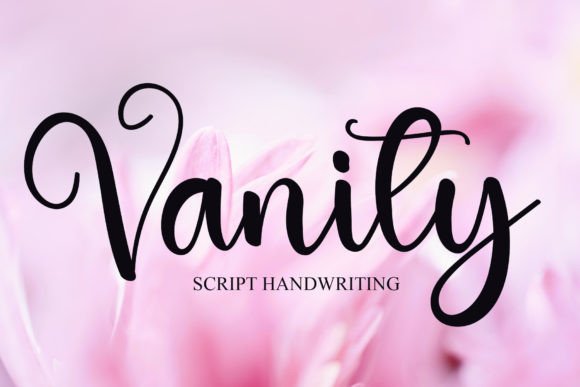
Vanity: A Handwritten Font for Elegant Editorial Design
Vanity is more than a decorative script font—it’s a versatile tool for content creators who want to elevate their editorial layouts with a personal, refined touch. As a publisher or designer working across blogs, magazines, ebooks, and newsletters, you understand the importance of typography that enhances readability while reinforcing brand identity. Vanity offers a sophisticated yet approachable aesthetic, making it ideal for use in titles, cover art, quote graphics, and other high-impact design elements.
Designed with editorial applications in mind, Vanity carries the warmth of authentic handwriting without sacrificing clarity. Its flowing strokes and soft ligatures give it a natural, human feel, while its balanced spacing ensures legibility at various sizes. Whether you're crafting a lifestyle blog header, a digital magazine cover, or a printable worksheet, Vanity adds a touch of elegance that complements both modern and traditional design sensibilities.
Perfect for Titles, Headers, and Branding Elements
In editorial design, hierarchy is key. Vanity excels as a display font for titles, subtitles, and section headings where visual impact matters most. Its distinctive character makes it ideal for drawing attention without overwhelming the reader. Use it for magazine cover lines, ebook titles, or newsletter headers to establish a strong visual identity that resonates with your audience.
For content creators designing lead magnets, printable planners, or coaching workbooks, Vanity serves as a polished accent font. It works especially well in quote graphics, chapter openers, and branded social media assets where a personal, hand-crafted tone enhances emotional connection. When used for packaging design or logo elements, its script style reinforces a premium, curated brand image.
Supporting Visual Consistency Across Publications
Consistency in typography strengthens brand recognition and reader trust. Vanity’s unique personality makes it a strong candidate for recurring design elements such as section dividers, pull quotes, and content headers across multiple issues or formats. Whether you're publishing a digital magazine or a weekly newsletter, incorporating Vanity in key typographic moments helps establish a cohesive visual language.
Its script style pairs beautifully with clean sans serif fonts for captions, navigation bars, or subheadings, as well as with readable serif fonts for body text. This kind of font pairing supports both aesthetic appeal and readability—essential for long-form editorial content. Vanity’s ability to serve as a signature typeface across different platforms makes it a valuable asset in building a unified brand identity.
Practical Applications for Content Creators
Bloggers and digital publishers can use Vanity to enhance visual storytelling. A lifestyle blog might feature it in post titles and featured image text overlays, while a recipe ebook could incorporate it into chapter openers or special ingredient highlights. Wedding guides, coaching materials, and course workbooks benefit from its elegant tone, which aligns with themes of refinement and personal growth.
For newsletter creators, Vanity brings a premium feel to header graphics and branded email templates. In printables and worksheets, it adds a humanized, approachable touch that makes content feel more intimate and thoughtfully designed. Digital magazines and independent publications can use it for cover titles, mastheads, and curated quote visuals that stand out in feeds and newsletters.
Readability and Format Flexibility
While Vanity shines in short-form, high-visibility applications, it's important to consider its use in different formats. On screen, its clean strokes render well in web headers and social media graphics. For PDF exports and digital downloads, its clarity ensures legibility across devices. When designing for mobile, keep text size and line spacing in mind to maintain readability without compromising visual appeal.
In print, Vanity’s refined script style works beautifully in packaging, booklet covers, and branded printables. However, due to its decorative nature, it's best reserved for titles and accent text rather than extended body copy. Always test how it appears in different output formats to ensure optimal presentation across both digital and physical media.
Font Pairing for Editorial Layouts
Successful editorial design often hinges on thoughtful font pairing. Vanity pairs naturally with both serif and sans serif fonts, offering a striking contrast that enhances visual hierarchy. Consider using it with a clean, readable sans serif like Lato or Open Sans for captions, navigation menus, or sidebar text. For longer body content, pair it with a classic serif font like Georgia or Merriweather to maintain readability while elevating the overall design.
When designing for digital magazines or branded newsletters, experiment with combining Vanity in bold script with minimalist body fonts to create a layered yet cohesive layout. This technique helps guide the reader’s eye while reinforcing a distinct editorial tone. The key is balance—Vanity should complement, not compete with, the rest of your typographic system.
Key Features for Professional Use
Vanity includes a range of stylistic alternates, ligatures, and multilingual support, making it suitable for international publications and diverse design needs. Be sure to explore the full character set to access additional flourishes and variations that can enhance your layouts. Depending on the version you purchase, it may also include multiple weights and styles, allowing for subtle typographic adjustments in different design contexts.
For commercial use—whether in ebooks, printables, client work, or paid newsletters—always verify the licensing terms. Many premium fonts, including Vanity, offer commercial licenses that allow for broad usage across templates, digital downloads, and branded content. This flexibility makes it an ideal choice for content creators who need reliable, high-quality design assets that support both aesthetics and legal compliance.